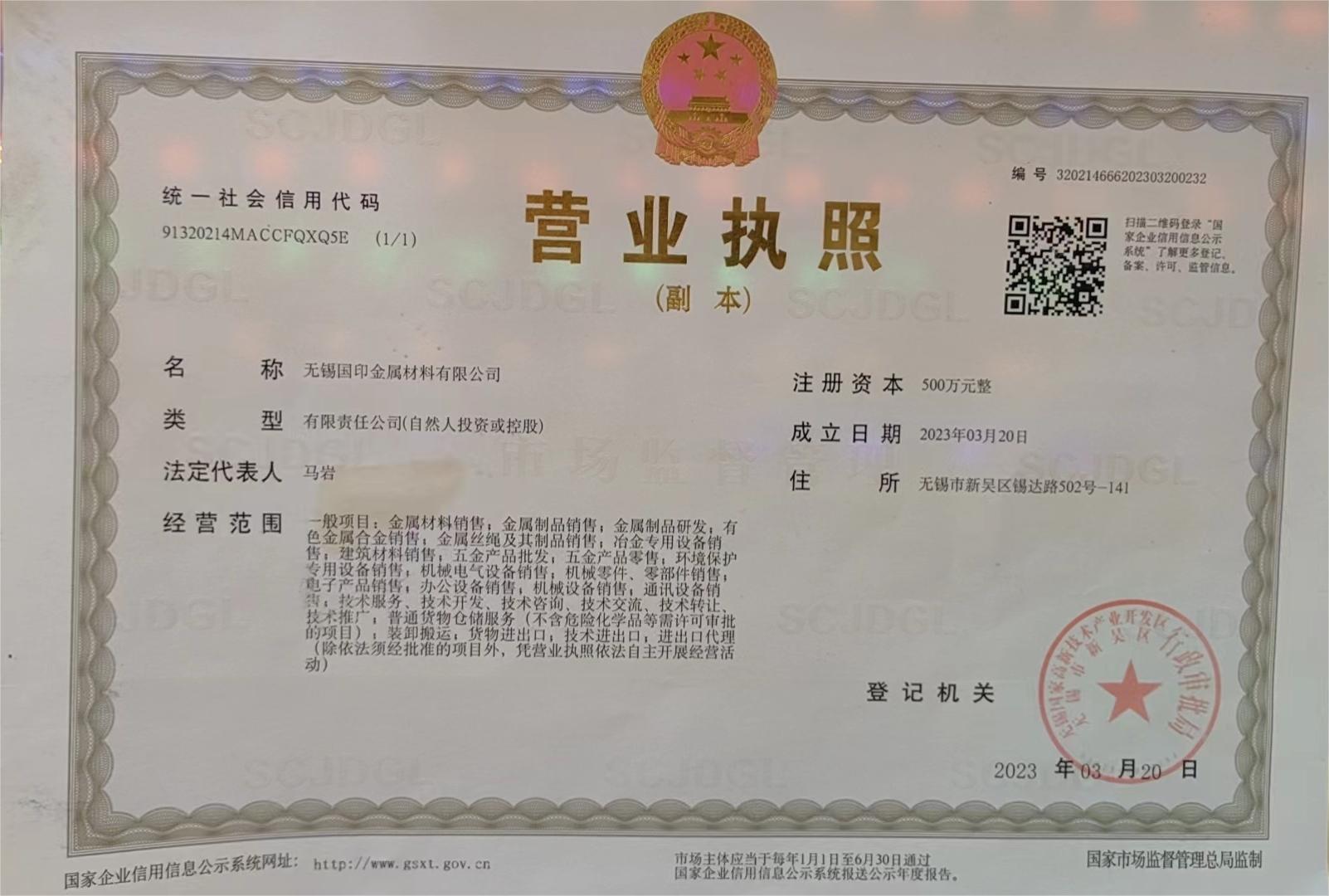
Wuxi Guoyin Metal Materials Co., Ltd.

11
2025
-
12
Complete Guide to Galvanized Steel Sheet Specifications: Differences Between Spangle-Free and Regular Spangle Sheets
This article provides a comprehensive analysis of the core knowledge of galvanized steel sheets. It first explains the rust-proof principle of galvanized steel sheets, especially hot-dip galvanized steel sheets—providing a physical barrier and cathodic protection through the zinc layer. It then focuses on comparing the differences between spangle-free and spangle-plated galvanized steel sheets in terms of surface characteristics, processing technology, application scenarios, and price. Finally, for the selection of galvanized steel sheets for construction, it offers practical selection suggestions based on aesthetics, cost, and weather resistance, emphasizing the importance of rational configuration according to different specification requirements.
Author:
Galvanized steel sheet is a crucial metal material widely used in industries such as construction and manufacturing. By applying a layer of zinc to the surface of the steel sheet, it significantly enhances corrosion resistance and service life. Based on production processes, galvanized steel sheets are mainly categorized into hot-dip galvanized steel sheets and electro-galvanized sheets, with the former being more common. Understanding the specifications, price, rust-proofing principle, and differences between types of galvanized steel sheets is essential for material selection and cost control in projects.
1. Rust-Proofing Principle and Main Types of Galvanized Steel Sheets
The rust-proofing principle of galvanized steel sheets is based on the chemical properties of zinc. Zinc can form a dense layer of basic zinc carbonate in the air, effectively isolating the steel sheet from oxygen and moisture. When the coating is damaged, zinc acts as a sacrificial anode, corroding preferentially to protect the underlying steel—a principle known as "cathodic protection." Hot-dip galvanized steel sheets are created by immersing the steel in molten zinc, resulting in a thicker, more durable coating, making them the preferred choice for construction-use galvanized steel sheets.
2. Specification Differences Between Spangle-Free and Regular Spangle Sheets
The specifications of galvanized steel sheets typically involve thickness, width, length, and surface treatment. The presence or absence of a spangle pattern on the surface is a key distinction.
Spangle-free galvanized steel sheets (also called minimized spangle or smooth sheets) undergo an additional skin-pass or treatment process, resulting in a smooth, uniform surface without visible zinc crystal patterns. They offer excellent coating adhesion and are suitable for subsequent painting or precision fabrication. They are commonly used in applications requiring a high-quality surface finish, such as home appliance panels and high-end building curtain walls. Regular spangle galvanized sheets naturally develop a crystalline spangle pattern during the cooling process, featuring a visible, characteristic pattern. Their production process is relatively simpler, and their price is generally slightly lower than spangle-free sheets. They are often used for structural components where aesthetics are less critical but strong rust resistance is needed, such as warehouse roofs and ventilation ducts.
In terms of parameters like base steel thickness (common ranges from 0.3mm to 3.0mm) and zinc coating weight (e.g., Z80-Z275), both types are fundamentally similar. However, due to the extra processing step, spangle-free sheets may command a higher price. Buyers need to weigh their budget and specific application requirements when selecting.
3. Selection Advice for Construction-Use Galvanized Steel Sheets
As a typical construction material, hot-dip galvanized steel sheets are widely used in steel structures and roofing/wall cladding systems due to their excellent rust resistance and strength. In the construction sector, spangle-free sheets are recommended for exposed components requiring an aesthetic and smooth appearance. For concealed structures or temporary facilities, regular spangle sheets offer better cost-effectiveness. When procuring, besides surface finish, it's important to confirm that specifications meet national standards (e.g., GB/T 2518) and consider local environmental demands on coating corrosion resistance.
In conclusion, selecting galvanized steel sheets requires a comprehensive consideration of rust prevention needs, fabrication methods, cost, and aesthetics. Both spangle-free and regular spangle galvanized steel sheets have their own advantages. Understanding their specification differences and application scenarios enables optimal cost-performance material configuration, ensuring project durability and economy.
Key words:
Related news
Wuxi Guoyin Metal Materials Co., Ltd.
E-mail: sales01@guoyinmetal.com
WhatsApp: +86-17663729118
Tel: +86-17663729118
Address:No. 502-141, Xida Road, Xinwu District, Wuxi City, Jiangsu Province